
A clearer brief. A better starting point.
Share the application, dimensions, drawings or reference images, material preferences and target date. These details help define the sample scope, quotation and schedule.
01 / DEVELOPMENT STUDIO
Share the application, dimensions, drawings or reference images, material preferences and target date. These details help define the sample scope, quotation and schedule.
Your target market, cost range and launch plan help guide discussions on materials, appearance, packaging and sample priorities.
Turn the proposed design into a sample, then review and refine key details using assembly checks and application feedback.
02 / DEVELOPMENT STUDIO
Share dimensions, construction requirements, material or component references and the details you need reviewed.
Discuss this starting point →Start with photos, key measurements and the features to retain or improve. Agree whether a physical sample is needed for review.
Discuss this starting point →Tell us how the product will be used, the available space and the function you need. Reference images or a physical sample can help guide development discussions.
Discuss this starting point →03 / DEVELOPMENT STUDIO
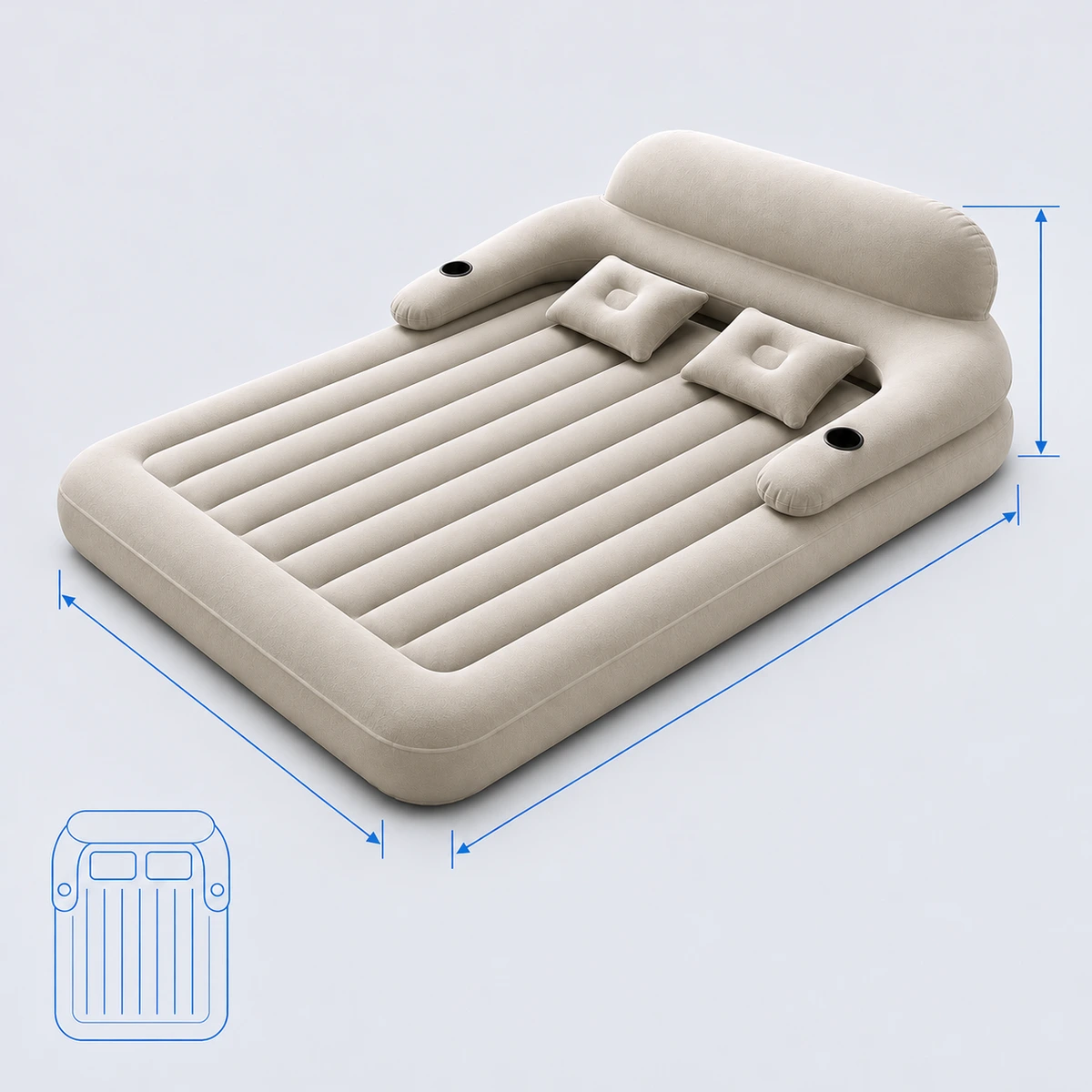
The outline needs to work both as a flat pattern and as an inflated product. During sampling, review the overall length, width and height alongside the space available in the final application. Curves, corners and attachment points should be considered together with any cover, frame or mating part.
Chamber layout influences how an inflatable product takes shape. Discuss the number, direction and arrangement of the chambers, along with the proposed weld lines and any required air connections. The layout should be reviewed against the application rather than selected by appearance alone.
Valve selection and position need to work with the complete assembly. A connection that is easy to reach on an uncovered sample may become obstructed by a fabric cover, frame or adjacent component. Where tubing is required, its route and connection points also need to be considered.
Material selection brings together the intended use, construction and appearance. Discuss the proposed material, thickness, surface texture and colour alongside weld details and any printing or artwork. A visual reference can guide the direction, while the sample provides a physical point of comparison.
04 / DEVELOPMENT STUDIO
Review the application, drawings or references, then discuss the shape, air chambers, materials, welds and valve position together. Identify construction constraints early and agree on the proposed approach, development scope and quotation.
Discuss construction, materials and connections. Prepare the first sample against the agreed specification and drawing version.
Check assembly, inflated shape and agreed review points. Changes to dimensions, materials, chamber layout or components may affect sample costs and timing. Record the agreed revisions before proceeding.
Use the approved sample alongside confirmed drawings and specifications to align appearance, dimensions, construction and components before bulk production. Confirm inspection, packing and order conditions before scheduling production.
Sample Making
Watch how we use a high-temperature press to seal the edges of an inflatable sample.
05 / DEVELOPMENT STUDIO
A short hose can leave the hand pump crowded beside the door. Sampling lets you check whether a longer hose gives enough room to squeeze the pump and reach the release valve.

Confirm the change, check the revised assembly and update the drawing. Changes may affect sample costs and timing. AI-generated development illustrations; not a customer case or a test result.
06 / DEVELOPMENT STUDIO
There is no fixed sample fee. Fees are quoted according to the product, construction, materials, sample quantity and development requirements, and confirmed before work begins.
Sample fees can be credited against subsequent bulk orders once the cumulative bulk order value reaches US$5,000. Orders may be accumulated towards this threshold, and the credit arrangement remains valid long term.
Sample and design-development fees are identified separately in the quotation.
07 / DEVELOPMENT STUDIO
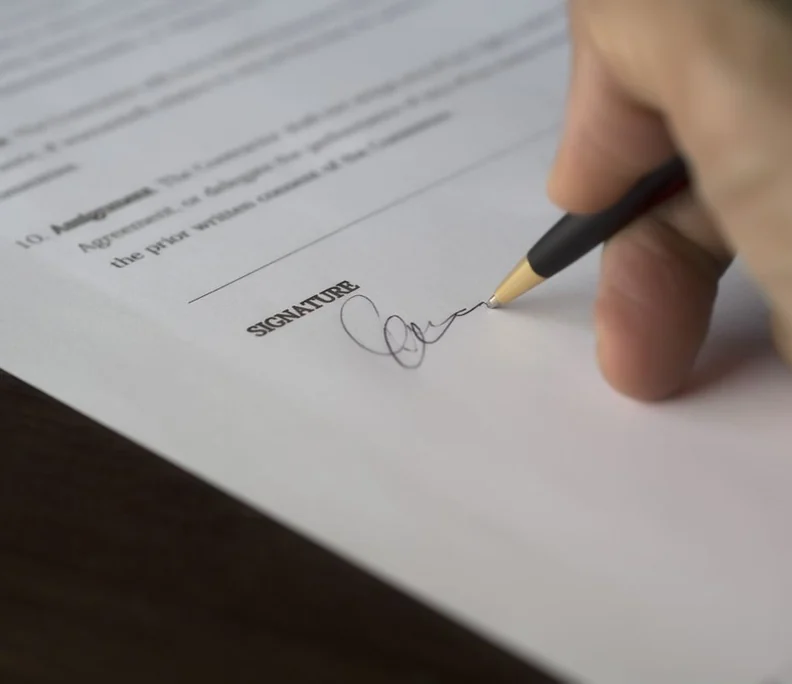
A dedicated agreement defines confidentiality, ownership, third-party production and sales restrictions, and permission to display project materials.
An NDA can be agreed before detailed drawings, technical information or samples are shared. Define permitted use and access.
Customer-provided designs remain the customer’s. Project-specific jointly developed designs, drawings and agreed deliverables belong to the customer under the dedicated agreement.
Without the customer’s written authorization, we do not manufacture or sell the agreed exclusive design for third parties, or reuse its design information for other customer projects.
Customer-exclusive drawings, samples and product images are not published on websites, in catalogues or at exhibitions without prior written permission.
The agreement identifies deliverables, patent application rights and ownership, the exclusive design scope, term and covered revisions. Existing factory technology, general processes, standard components and third-party rights are identified separately. Ownership and fee credit are separate arrangements.
08 / DEVELOPMENT STUDIO
Plan sample making around the information available.
Schedule details+Lead time starts once the drawings and product requirements are confirmed and the sample fee is received. Shipping time is excluded.
Confirm the application, dimensions, material direction, chamber layout, valve requirements and sample quantity. Identify any components or information still needed, and record the drawing version to be used.
Changes to the structure, materials or components may affect preparation and sample making. Review the scope, cost and schedule before proceeding with the revised version.
Review the sample and agree on the next revision.
Schedule details+Review the dimensions, inflated shape, material feel, valve access and fit within the intended cover or assembly. Identify any functional checks and acceptance requirements separately.
Combine comments into one revision list, supported by marked photos, measurements or drawings. Distinguish details that are approved from those that need changing so the next version has a clear scope.
The time required depends on the changes and whether new materials, components or another physical sample are needed. Confirm the revised schedule after reviewing the feedback; additional rounds and shipping are planned separately.
Confirm production and shipping after sample approval.
Schedule details+Align the approved sample with the latest drawings, materials, components and agreed specifications. Confirm the order quantity, artwork, inspection requirements, packing and commercial terms.
Review the order scope and material or component availability before confirming a production start and completion date. Sample approval is one milestone; the bulk order and production documents also need to be ready.
Production time and transit time are scheduled separately. Confirm the destination, shipping method and required dispatch or arrival date, allowing for inspection, packing and shipment arrangements.
Sample lead time starts once the drawings and requirements are confirmed and the sample fee is received. Shipping time is excluded.
Have a target launch date? Share your target date →
09 / DEVELOPMENT STUDIO
Yes. Start with the application, reference images, main dimensions and function. Agree what additional drawing or development work is needed.
Start with photographs and information. If fit, material feel or internal construction cannot be assessed clearly, agree whether a physical sample is needed and its review purpose.
Air Wedge Bag sample production takes 10 working days after materials, dimensions and specifications are confirmed. For other projects with drawings and clear product requirements, sample development takes 10–14 working days. Development from an initial idea takes 20–25 working days. For other projects, lead time starts once drawings and requirements are confirmed and the sample fee is received. Shipping time is excluded.
The quotation specifies the charges. Design work, sample making, tooling and shipping may be listed separately, together with included revisions.
Yes. Sample fees can be credited against subsequent bulk orders once the cumulative bulk order value reaches US$5,000. Orders may be accumulated towards this threshold, and the arrangement remains valid long term.
Yes. Agree confidentiality and permitted use before detailed project materials are exchanged. Exclusive production and ownership are addressed in the dedicated agreement.
Project-specific jointly developed designs, drawings and agreed results belong to the customer as defined in the dedicated agreement. Existing technology and standard components are identified separately.
Record exactly what is approved. Appearance, dimensions, fit and performance checks can need separate acceptance. A visual sample alone does not establish load ratings, medical effects or certification.
Production drawings, materials, inspection, packing, quantity and commercial terms also need to be aligned before a production start is agreed.
Share a drawing, reference image or product idea. We can review the available information and discuss the development scope, sample requirements and fees.
Confidential project? Discuss an NDA before sharing sensitive materials.